
Categories
Recent Posts
What is a Field Service Engineer?
September 16, 2024
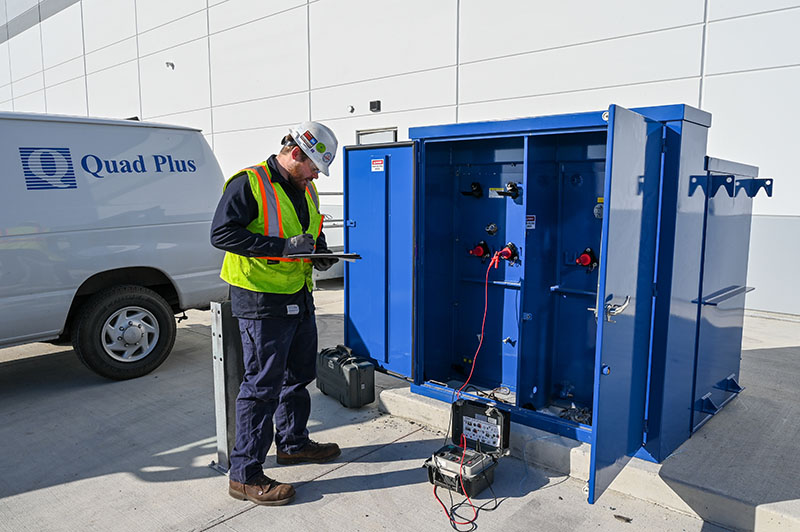
Field service engineers (FSE) are problem solvers who work in various industries. They travel to customer work sites to install, repair, and service equipment and technology. In tech, FSEs might work on telecommunications systems. A medical field service engineer might specialize in servicing diagnostic equipment.
In manufacturing and industrial operations, FSEs travel to production sites to solve problems with customer equipment. They are responsible for installing and maintaining various industrial systems and equipment, along with keeping records and supervising technicians.
So, What Does a Field Service Engineer Do?
The primary job of a field service engineer is to service and maintain equipment and software. Daily tasks will depend heavily on the industry in which they specialize and the needs of their customers.
Here’s a look at some general tasks common across most industries and specialties.
- Installation. Supervising the installation of entire systems and upgrading old machinery with new components.
- Problem-Solving. Analyzing error codes, system faults, and adverse outcomes to find solutions.
- Repair & Maintenance. Preventive maintenance, routine service, performing repairs, replacing faulty parts and equipment, and supervising technicians who perform maintenance tasks.
- Documentation. Maintaining service records, test results, warranty information, and presenting customers with updates and information.
- Future Planning. Developing new systems and processes to improve profits, energy efficiency, and other customer goals.
What is the Difference Between a Field Service Engineer and an Engineer?
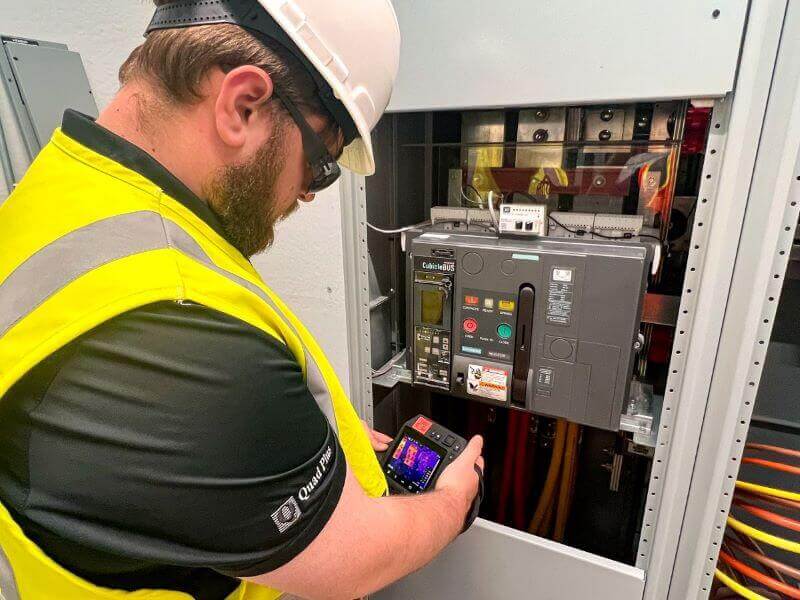
Site engineers are responsible for the overall operations at a job site. They ensure that plans are followed and design specifications are adhered to. They also monitor work quality, manage resources and schedules, and ensure safety protocols are followed.
FSEs provide hands-on technical support. They often work closely with one aspect or area of a project and apply their knowledge and expertise to this area.
What is the Difference Between a Field Service Technician and a Field Service Engineer?
Most engineers will have at least a bachelor’s degree, often in engineering or a technical field. Technicians usually have an associate’s degree or a certification from a technical school. For both options, an extensive technical background and hands-on experience are often considered for candidates without these educational requirements.
Engineers are assigned more responsibility than technicians as they are expected to have a broader knowledge base and experience. Both perform tasks such as repairs and maintenance and communicate with customers. Field service engineers are also responsible for creating technical reports, teaching and training technicians, and performing emergency services.
What Skills Make a Great Field Service Engineer?
To start, field service engineers should be able to work well independently. The job involves traveling alone to customer sites and often completing work unaccompanied by a crew. When additional technicians are on the job, it is frequently the role of the FSE to supervise their work.
Excellent communication skills are also critical. Writing reports is a big part of the job, and communicating to business owners about specific issues, repairs made, and future recommendations are done frequently.
Because the central role of field service engineers is troubleshooting, critical thinking and problem-solving skills are a must. Customers rely on them to find the cause of problems and return operations to normal as quickly as possible.
Adaptability and flexibility are two defining characteristics of field engineers. They must move between different environments and navigate the diverse challenges their customers present. What works in one scenario may not be appropriate in another.
Along with these general skills, you’ll also want to have technical expertise in the equipment and software of the industry and specialty you’re serving. This can involve completing certification courses, postgraduate degree programs, and gaining on-the-job experience in an entry-level role.
Examples of Field Service Engineers in Different Industries
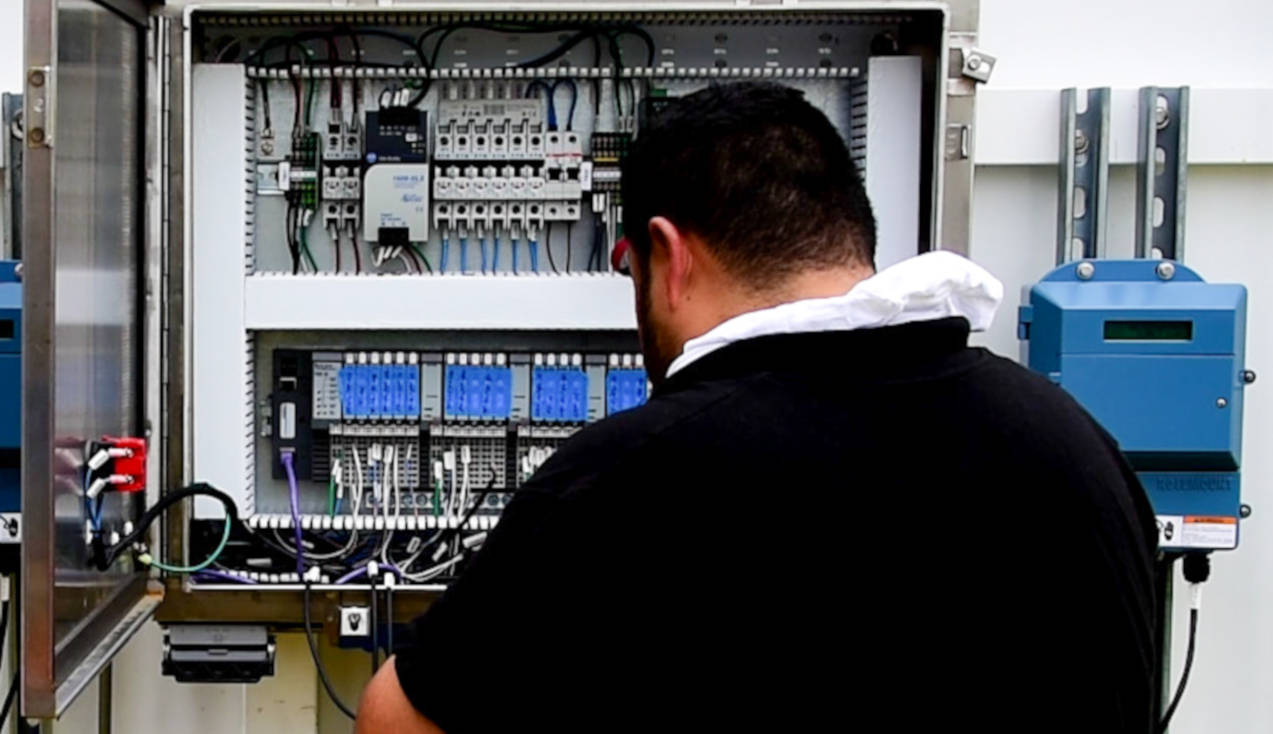
While all field service engineers travel to their customers’ locations and perform maintenance, troubleshooting, and installation tasks, the exact nature of these tasks can vary depending on the industry. Here is a look at the types of equipment different field service engineers may specialize in and the environments in which they may work.
Medical Services
Medical machinery and equipment are vital to diagnosing and treating medical conditions. Complex medical procedures often involve equally complex technology, machines, and robotic tools that must be maintained.
Employers in this area are often the manufacturers of medical equipment and devices. The FSE will travel to the hospitals and medical offices that have purchased the equipment from the manufacturer to service and maintain it.
Manufacturing & Industrial
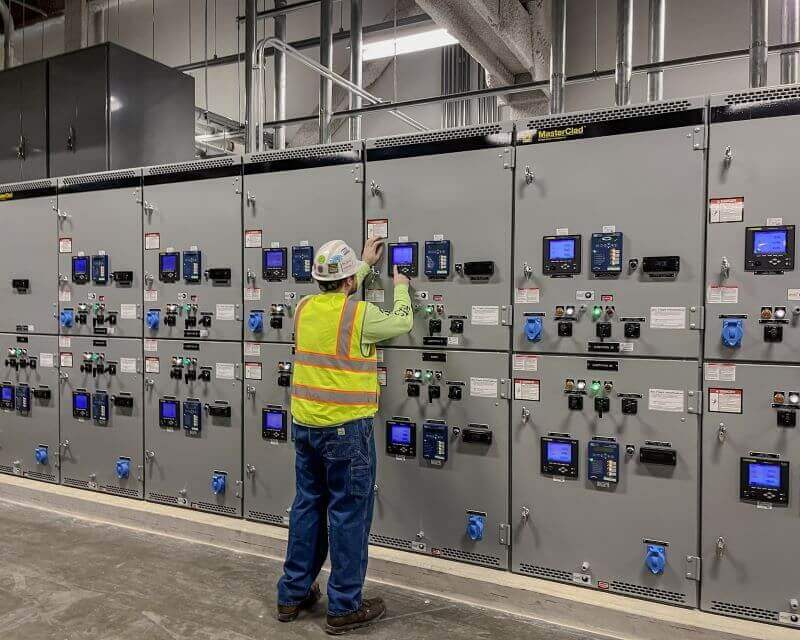
Field service engineers in manufacturing operations keep production lines running by servicing and maintaining industrial drives, machines, motors, PLSc, process instrumentation, and more. Many tasks are performed onsite, but new technology also allows for remote diagnostics and support of critical equipment.
Information Technology
IT field service engineers design, install, and maintain computer systems and equipment components at customer sites. They are often responsible for testing new hardware and software before deployment, documenting processes, and building networks. Diagnosing hardware faults and software problems is common.
IT field engineers are also responsible for finding and delegating work to other specialists and managing their contributions to solving a customer’s problem.
Robotics
More and more industries are putting robots to work to make jobs safer and more accessible for humans. Field service engineers in this field must have deep knowledge of robotics, along with automation and control theory. They will also need practical experience in troubleshooting and repairing robotic equipment.
Robotics field service engineers work in various industries, including medical, telecommunications, manufacturing, aerospace, and more.
Automotive
In this specialty, FSEs may work for an automotive manufacturer to service and maintain their vehicles. They may also specialize in specific vehicle types and perform service and maintenance for that type of vehicle across multiple manufacturers.
Responsibilities typically include diagnosing and troubleshooting vehicle issues, performing scheduled maintenance, and providing technical advice or guidance to customers and other technicians.
Offshore Oil & Gas
Offshore drilling operations utilize an entire class of specialized equipment and machinery. The working conditions for this equipment are often harsh, and challenging weather is often a factor in the maintenance and upkeep of tools and machinery.
Field service engineers in this industry may be required to live and work temporarily or permanently on an offshore location or traveling to different offshore locations to work on machinery.
Commercial HVAC
In this specialty, field service engineers may work for a manufacturer to support customers who have purchased their equipment, or they may specialize in a specific HVAC application and service multiple customers with a similar setup.
For example, data storage centers and medical labs must maintain exacting air quality and temperature standards. An FSE may specialize in one of these applications.
Agriculture
Farm equipment ranges from relatively small tractors and harvesters to vast networks such as dairy equipment and irrigation systems. Agricultural service technicians diagnose, repair, and overhaul farm vehicles and machinery to maintain optimal functionality. This industry often has seasonal fluctuations in work volume.
Why Field Service Engineers Are the Unsung Heroes of Your Business
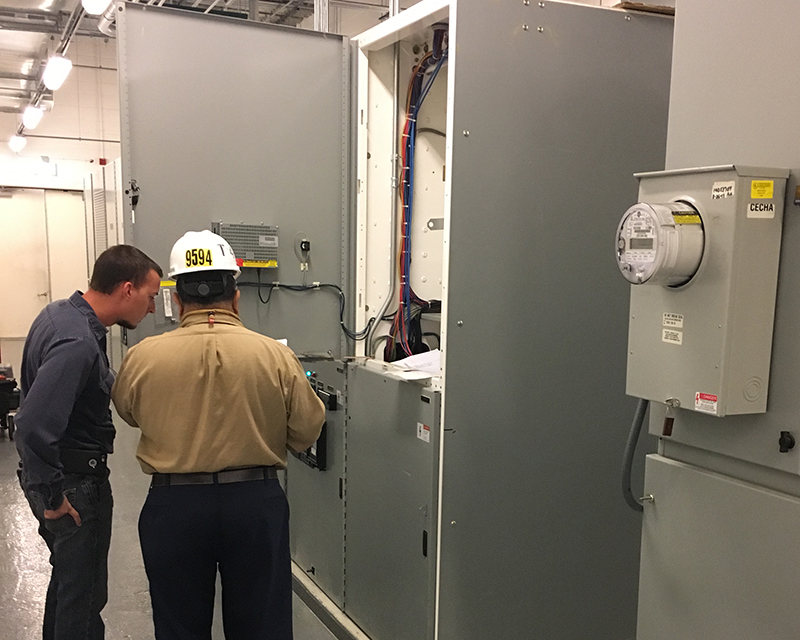
When critical equipment or technology fails, production grinds to a halt. Whether it is damaged construction equipment or a faulty diagnostic machine in a hospital, the field service engineer rushes to the job site to quickly assess the problem and put solutions into motion. The issues they solve often involve complex systems and job sites present all kinds of challenging conditions.
Technology changes at breakneck speeds, and FSEs must keep up! It’s also critical to understand older and legacy systems and how they interact with new technology. When implementing solutions, they must be mindful of how a complex system works to ensure that a solution in one place does not cause problems down the line.
Field service engineers are also expected to be fast. Soft skills come in handy here as they must communicate with workers and business owners when stressed and facing their own challenges resulting from the problems being solved.
Lastly, field service engineers often work in extreme weather conditions, hazardous environments, and difficult terrain–all while under pressure to solve problems quickly and accurately so their customers can get back to work.
The Toughest Parts of Being a Field Service Engineer
Most field service engineers would agree that the amount of travel required is the most challenging part of the job. You must often be ready to depart for a job site with very little notice. The location of many job sites can be remote, in small towns, or away from population centers, although many types of field service engineers work for urban customers.
Many field service engineers spend 50% or more of their time away from home. For some people, this can make it tricky to maintain friendships and relationships. Evenings in hotel rooms can get lonely and dull after a while.
However, for outgoing and adventurous people, these downsides are often considered the job’s perks. Seeing different parts of the state or country, meeting new people, and enjoying new experiences in new places is an exciting lifestyle. Many companies also offer additional pay for travel time and a generous expense account while on the road to make traveling easier and more enjoyable.
Thinking About Becoming a Field Service Engineer? Here’s What You Need to Know
Becoming a field service engineer starts with a bachelor’s degree. Engineering is the most common choice of majors, but technology and computer science degrees are another possibility. It’s not uncommon for FSEs to complete a master’s program as well.
Next, it’s time to consider a specialty. Some choose to specialize in trades such as electrical or plumbing. Other options include biomedical, high-tech and telecom, data storage, and more. Depending on the specialization, additional coursework and certifications can be pursued.
Beyond education, on-the-job experience is an important part of developing a career as a field service engineer. Entry-level positions can include working as a field service technician in your chosen industry to gain hands-on knowledge of the equipment and machinery or obtaining an apprenticeship in your field of expertise.
What is the Average Salary and Career Outlook for Field Service Engineers?
The average starting salary for entry-level field service engineers in the United States is around $65,000 annually. Experienced and specialized positions can pay up to $150,000 per year or more. Many positions also provide additional compensation in the form of bonuses, commissions, overtime, and generous travel expenses.
The career outlook for this field is very good as the demand is currently high and expected to continue growing. Depending on their expertise and education level, FSEs can progress to senior engineer positions and then to a role in field service management.
Field Service Management
Field service management involves managing the logistics and supporting activities when coordinating field resources, including technicians and other workers. Typical components of this job field include scheduling and dispatching workers, reporting, managing contracts, and invoicing. Field service management positions often include fewer travel requirements, more responsibilities, and a higher salary than a field service technician or engineer.
The Best of Skilled and Hands-On Work
Field service engineers can specialize in nearly any industry or branch of engineering. This career provides opportunities to use highly specialized knowledge to solve various problems and involves a lot of hands-on work rather than time behind a desk. Solving urgent and mission-critical customer problems can be very demanding and rewarding.
Quad Plus offers advanced industrial and manufacturing field services. Our field technicians are trained by manufacturers and have access to our extensive library of OEM documentation, manuals, and schematics.
When you need your issues expertly diagnosed and resolved as quickly as possible, count on the experts at Quad Plus.