
Categories
Recent Posts
How Machine Safety Specialists Minimize Risks in Operations
April 24, 2025
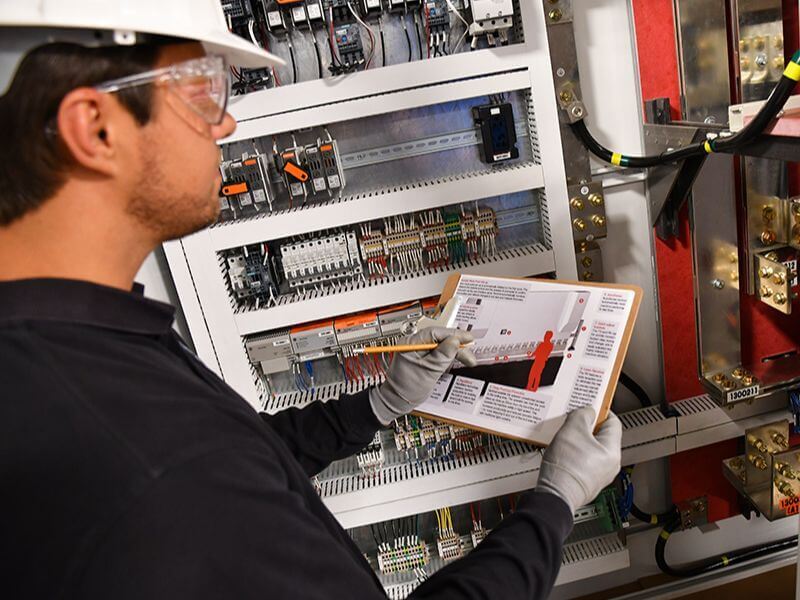
Maintaining a safe workplace in manufacturing and industrial environments requires the cooperative efforts of machine safety specialists, operation owners and managers, and your employees. Identifying and mitigating risks and protecting people from injury is everyone’s job.
When it comes to identifying hazards in the workplace, especially those that arise from complex machine assemblies, a machine safety expert will ensure that safety assessments are thorough and risks are addressed.
What Do Machine Safety Specialists Really Do?
Machine safety specialists help companies improve the safety of their operations while ensuring compliance with OSHA standards and other industry regulations. They can also assist with training crew members on workplace safety procedures and protocols.
Machine safety is about the standards, procedures, and practices companies implement to protect people working with or around machines. The first line of defense is removing hazards or changing procedures to avoid dangerous situations. When that is impossible, a combination of machine guards and safety procedures must be used, and machine safety specialists help design and implement these plans and devices.
 The Biggest Risks in Automated and Manual Workplaces
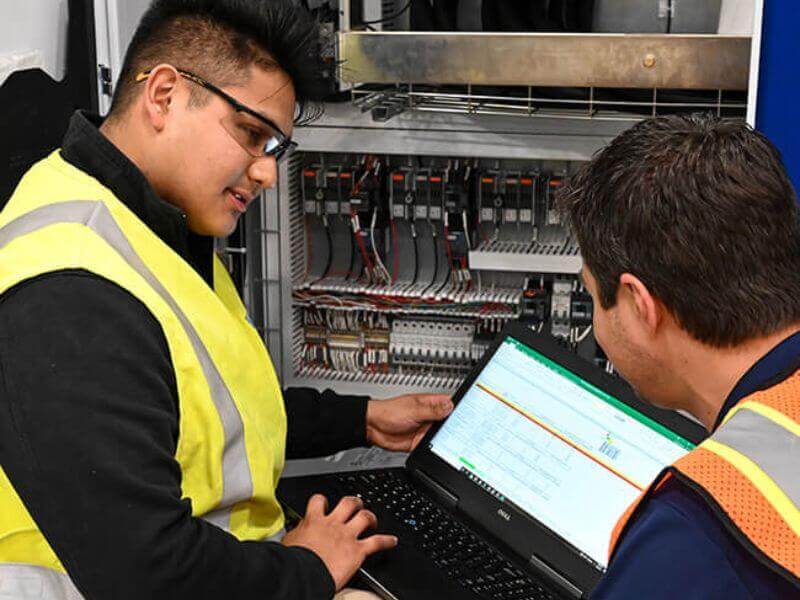
Manufacturing and industrial operations can be some of the most dangerous workplaces. However, they can also be among the safest when proper care and attention are given to implementing safety procedures, and machine safety specialists can help. Here are a few of the most common hazards in these demanding environments.
- Physical Hazards. Heavy machinery operation is inherently dangerous due to powerful motors, high-voltage electricity, and many moving parts. Risks to workers include falls, burns, electrocution, and injuries related to moving parts, such as pinching, trapping, entanglement, and even amputation.
- Chemical Hazards. Hazardous materials are often part of the manufacturing process or even the product produced in a manufacturing plant. Coming into contact with or inhaling dangerous chemicals can cause immediate injury to the skin and lungs. Long-term exposure can cause related illnesses.
- Ergonomic Hazards. Staying safe in the workplace includes practicing safe movement patterns and using personal protective equipment (PPE) to avoid injuries related to repetitive motions, heavy lifting, and exposure to loud noises or repeated vibrations.
- Biological Hazards. Hazards related to mold or spreading viruses and bacteria can seriously impact your workforce. Mitigating these hazards has become even more critical after employers faced challenges during the Covid-19 pandemic. These may be outside the scope of machine safety specialists, but should still be addressed by operation managers.
Automated technologies can address some risks workers face by keeping people out of dangerous areas and allowing for the remote operation of many types of machinery. Still, even the most technologically advanced workplace should engage a machine safety specialist to complete a machine risk assessment to ensure no complacency or overreliance on technology to keep people safe.
How Experts Spot and Assess Potential Dangers
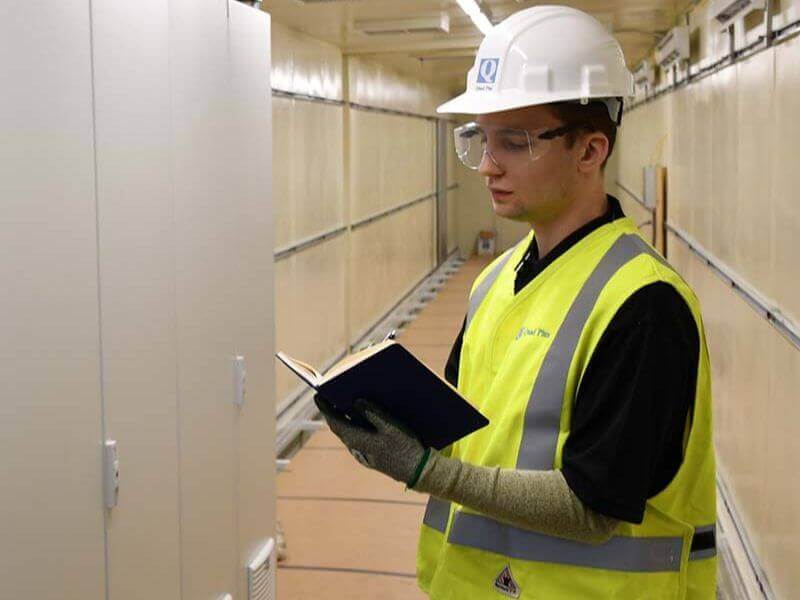
The primary tool used by machine safety specialists is risk assessment. This thorough, methodical process includes an inspection of the machinery, its environment, and worker interactions.
The first step of the process is to understand and define the machine’s intended use and limits for all stages of its service life. In this step, the machine safety consultant identifies the machine’s users, qualifications, and experience operating the machine. Environmental factors, including space requirements and environmental conditions such as temperature, are also considered.
The next step is for the machine safety specialist to identify and analyze any potential hazards, including production events that could lead to harm, such as component failures or material feed errors that could lead to dangerous conditions. To aid in this process, the international standard ISO 12100:2010 was developed to define the principles and methodology for risk assessment. ISO 13849-1:2023 also addresses the general principles for design regarding machine safety and the safety-related parts of control systems.
Hazards are then evaluated for the severity of potential harm and the probability of harm using factors such as the frequency and duration of hazard exposure and the likelihood of hazardous events such as component failure. Then, safety measures can be proposed and implemented by the machine safety specialist.
Why Regular Safety Checks Matter
A full risk assessment of your operations performed by a qualified machine safety specialist is an important step in creating a safe workplace for your crew. Another critical component is regular safety inspections to ensure that all established procedures are being followed, all personal protective equipment (PPE) is being used properly, and no new hazards or dangerous conditions need to be addressed.
Regular safety inspections save time and money in the long run, primarily by avoiding costly accidents and harm to workers. They also help prevent damage to machines and materials, protecting those investments and preventing unexpected causes of downtime.
Staying compliant with OSHA standards and other industry regulations is also a smart practice. Not only will this ensure worker safety, but legal issues arising from workplace accidents and injuries can get expensive quickly and cause serious disruptions to your production schedule. A machine safety specialist will help mitigate all of these challenges.
Teaching Workers the Safety Basics
No amount of machine guarding and safety technology can replace a well-trained workforce. Simple human mistakes can lead to thousands of dollars in expenses, damaged equipment, injured workers, and delays in production.
Safety training in manufacturing ensures that workers know what hazards are present when using machinery and performing tasks in dangerous areas. Workers will know the correct PPE to use and the proper way to use it. It also presents opportunities for upskilling and training workers on new technologies so workers safe and efficient.
What’s Next for Machine Safety in the Industry?
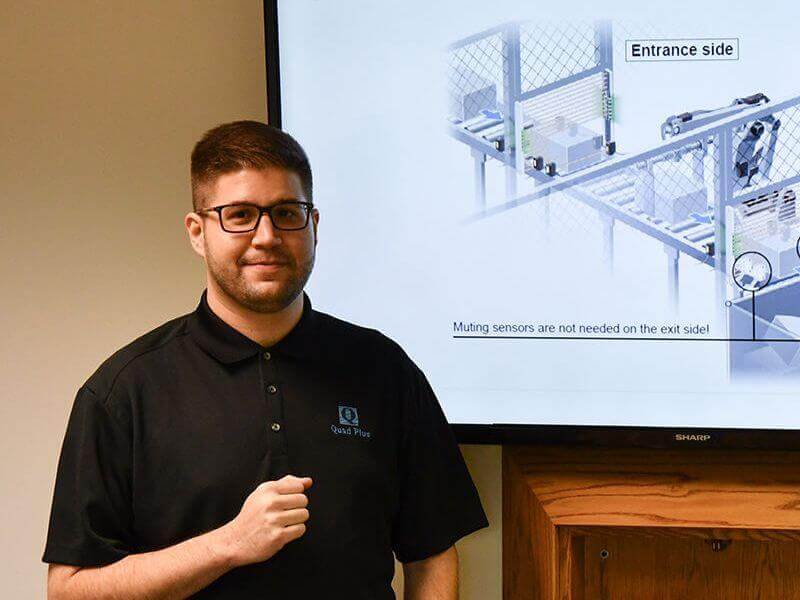
New technology often brings leaps in safety for workers in manufacturing and industrial environments. Artificial intelligence (AI) is a tech buzzword that everyone is talking about, and manufacturing is no different. One application for AI includes wearable devices with sensors to collect data that is processed to present information to workers.
For example, wearable devices and AI can warn workers when they are entering a hazardous area or when proper safety gear and PPE are not present. Devices can also detect dangerous movement patterns or deenergize equipment when people are too close to exposed moving parts.
Advancements in automation and robotics are making great strides in removing humans from hazardous situations and allowing dangerous equipment to be operated from safe, remote locations. Sophisticated software allows machinery to be operated from user-friendly control panels rather than complicated levers and pedals.
Safety Starts on the Front Line
A risk assessment should be performed every time new machinery, systems, or equipment is installed or implemented. This includes the addition of new processes or changing of existing functions. Periodic safety assessments should also be performed to ensure that all machine operators and employees are properly trained and following all protocols.
If your operation has not completed a full safety assessment or it’s been more than a year since your last safety inspection, it’s time to schedule a professional analysis for the safety of your crew and equipment.
Contact a Quad Plus machine safety specialist today!
Frequently Asked Questions
The most important aspect of machine safety is training and education. It is critical to understand the hazards associated with different tasks and environments, what is in place to protect you from those hazards, and which personal practices, including personal protective equipment (PPE), are necessary for your safety.
Machine guarding and other technology can make interacting with dangerous equipment, chemicals, and hazardous environments safer, and safety experts are continuously working to eliminate hazards. Still, every individual worker should be alert, aware, and properly trained at all times.
The first step is to ensure that all equipment and machinery are well maintained and that all manufacturer-recommended and regulatory inspections and maintenance schedules are followed. Training for equipment operation and what to do in emergency situations is also critical. Lastly, always use the recommended PPE for every task.
All machine tool operators must be trained on each tool before operating it for the first time, including the presence and use of protective machine guards and safety devices such as interlocks and stop buttons. Loose clothing, jewelry, or hair must be secured, and proper footwear and PPE must be used.