
Categories
Recent Posts
Differences Between Variable Speed Drive vs Variable Frequency Drive
June 12, 2025
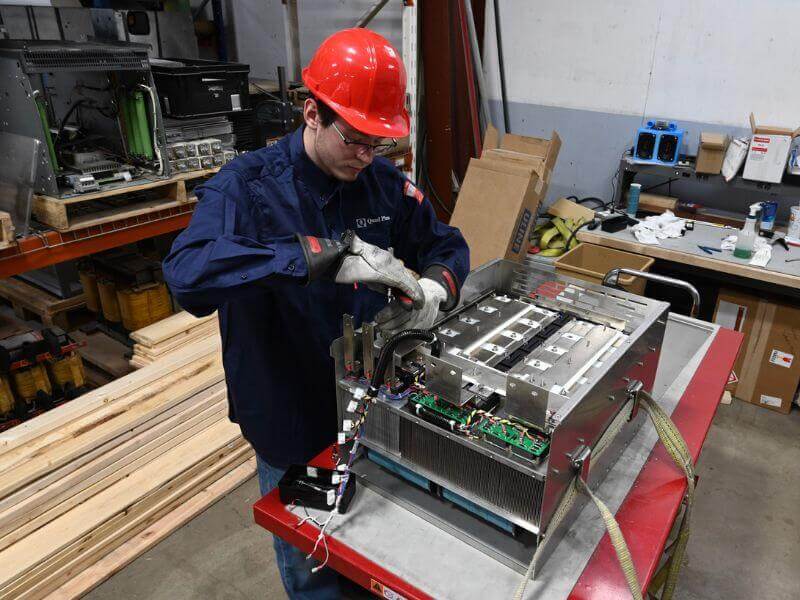
Electric motors are among the largest consumers of energy in the industrial and manufacturing sector. Managing how fast a motor spins is critical to achieving high productivity while keeping energy costs low. Two types of drives are typically used in industry and manufacturing to control motor speed: variable frequency drives (VFD) and variable speed drives (VSD).
Choosing the best type for your application depends on several factors. Let’s examine the differences between VFDs and VSDs and how each type works.
What’s a Variable Speed Drive?
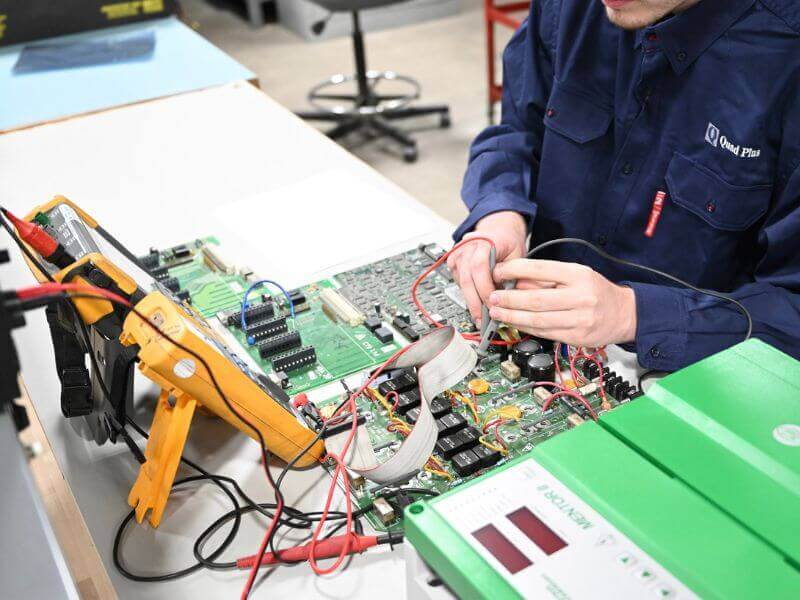
Variable speed drives control the speed of AC and DC motors by adjusting the voltage of the power supplied to the motor. VSDs use analog controls to adjust the voltage of the power supplied to the motor. This results in control over speed and torque that is slightly less precise than that of a variable frequency drive.
What is the Difference Between Frequency Converter and Variable Speed Drive?
A frequency converter has one function: convert a DC signal to AC or vice versa. A variable speed drive performs several functions, including optimizing energy usage and motor performance. A VFD can convert frequencies, but dedicated converters are less risky and more reliable.
What is a Variable Frequency Drive?
Variable-frequency drives (VFDs) control the speed of rotation of electric motors by adjusting the frequency of power supplied to the motor. VFDs use digital control algorithms to impact the power frequency to deliver precise control over the speed and torque of the motor.
What is the Difference Between VFD Frequency and Speed?
The frequency measured in this case refers to the number of times electricity changes direction per second. It’s often depicted as waves, and it is represented in Hertz. For example, variable frequency drives range from 4khz to 16khz. Speed refers to the rotation of the motor, often measured in revolutions per minute (RPM).
What is the difference between VFD and VVVF drives?
VFD and VVVF both describe the same technology. Variable Voltage Variable Frequency, or VVVF, is a term used in specific industries such as mining. Every AC drive automatically controls voltage according to frequency.
When Should You Choose a VFD Over a VSD?
Both types of drives aim to reduce energy consumption without compromising production. The differences in how each type operates define which will be compatible with your operation.
Technical Considerations
Variable speed drives are compatible with AC and DC motors, while variable frequency drives are only used for AC motors. A VSD is the only option for operations with DC motors.
In terms of demand requirements, VSDs are typically used for motors that need to speed up or slow down quickly or frequently. They are also suitable in applications where speed control needs are less precise.
For electrical motors that are run consistently for long periods, VFDs are usually the better choice. This can include applications where precise control is critical, such as conveyor systems and pumps.
Energy & Performance
Variable frequency drives allow for high energy efficiency, as they can adjust the motor’s speed and torque to meet the exact needs of the application. This high level of control also delivers improved process control and higher product quality.
Variable speed drives (VSDs) can often deliver energy efficiency; however, some types are less efficient than others. Still, VSDs provide a broader range of control solutions. Depending on the application, a specific VSD solution may be superior in terms of control and efficiency to a VFD solution.
What Makes VFDs a Good Option?
The primary benefit of VFDs is the precise control they deliver. VFDs can be a vital component in applications where coordination and synchronization of equipment is critical, such as conveyor systems.
They can also be the right choice when precise control will lead to significant energy savings. For example, HVAC systems in large facilities are operated continuously over time. Even when exact environmental control is not necessary, precisely matching requirements can significantly reduce costs over time.
Common Applications for Variable Frequency Drives:
- HVAC Systems. Adjusting the speed of fans and pumps to optimize air and water flow to meet changing demands,
- Industrial. Controlling the speed of machines such as mixers and agitators.
- Water Treatment. Ensuring sufficient water supply and waste management to reduce energy usage and equipment wear.
- Oil & Gas. Drilling rigs use VFDs to manage the speed and torque of drilling motors and to optimize the performance of pumps and compressors.
- Manufacturing. VFDs are used to control the speed of machines such as extruders and CNC machines to increase accuracy and efficiency.
- Agriculture. Irrigation pumps can be optimized to reduce waste in water distribution.
 Why Might You Prefer a VSD?
Variable speed drives are ideal in applications where precision is not a priority. Instead, features such as durability or integration with other equipment may be more important.
For example, manufacturing operations with aging mechanical systems can integrate VSDs with the existing system to deliver upgrades without replacing entire systems. Certain types of VSDs are also better suited for heavy applications such as mining equipment, where durability and resilience are prioritized.
Common Applications for Variable Speed Drives:
- HVAC Systems. Used for regulating pump, fan, and compressor speeds to ensure energy efficiency in heating, cooling, and ventilation applications.
- Pumps & Water Systems. Used to match pump speeds to flow rates and pressure demands in water treatment, irrigation, and wastewater management.
- Industrial & Manufacturing. Used to adjust speeds in conveyor and material handling systems and to regulate speed and torque in processes such as mining, manufacturing, and processing.
- Machine Tools. Allows for precise control of speed and torque in tools such as lathes, milling machines, and CNC equipment.
Variable Speed Drive vs. Variable Frequency Drive: Choosing the Right Drive for Your Needs
The most important factor when choosing between variable speed drives and variable frequency drives is the needs of your operation and compatibility with existing equipment and infrastructure.
Our industrial engineers have the knowledge and experience to ensure you get the best solutions to meet your industrial and manufacturing goals. To find out what’s right for you, contact the experts at Quad Plus.