
Categories
Recent Posts
Standard Gauging Systems for Accuracy in Manufacturing
May 5, 2025
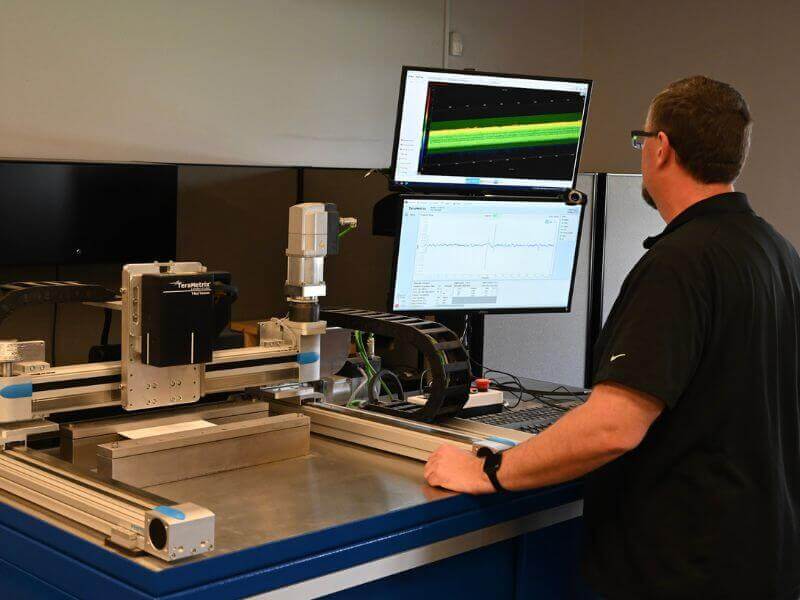
Precision is the cornerstone of quality in manufacturing. Standard gauging systems, sometimes referred to as a gauge system, allow manufacturers to achieve precision by providing real-time measurements and, often, real-time adjustments.
By implementing a standard gauging system, manufacturers can have better product consistency, optimize resource use, and maintain an edge over the competition.
Let’s take a closer look at standard gauging systems, their benefits, and how they drive quality control and cost savings in the industrial and manufacturing sectors.
The Role of a Standard Gauging System in Manufacturing Precision
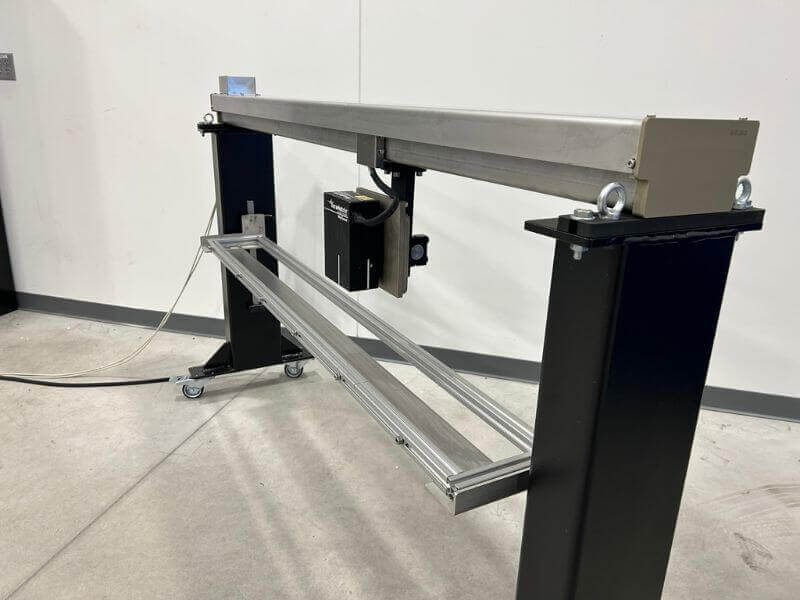
Standard gauging systems measure material properties such as thickness, density, or basis weight. Measurements are made continuously and in real-time during production. The information collected ensures that products meet exact specifications during the manufacturing process. Adjustments can then be made manually or automatically without halting production.
Automated gauging systems are used across every industry where material properties are critical. Some examples include:
- Packaging. Ensuring consistent film or foil thickness for proper sealing and durability.
- Paper Manufacturing. Measuring sheet thickness to maintain uniformity in measuring weight and moisture percentage.
- Plastics & Coatings. Monitoring film or coating layers to ensure uniformity.
- Metals & Automotive. Guaranteeing materials meet safety and performance criteria through continuous thickness measurement.
Benefits of Implementing a Standard Gauging System
Standard gauging systems reduce defects and product variability by ensuring consistent measurements. With real-time data, manufacturers can make immediate adjustments, or advanced systems can automatically adjust in real-time. This eliminates guesswork, minimizes downtime, and keeps production lines running smoothly.
Accurate measurements, supported by precision tools such as thickness sensors, also help manufacturers optimize the use of raw materials, reducing waste from overuse or defective products. This improves the operation’s sustainability and makes it more cost-effective.
More consistency in production, combined with lower costs and faster timelines, also helps build customer trust and reduces returns or complaints. Together, these benefits of web gauge systems, including advanced tools like laser profile measurement for surface uniformity, help manufacturers gain a leading edge over competitors, especially in tight markets.
Key Features of Modern Standard Gauging Systems
Standard gauging systems incorporate advanced features that enhance accuracy, adaptability, and integration with manufacturing processes:
- Non-Contact Measurement Technologies. Modern web gauging systems use THz, infrared sensors, and laser sensors for non-contact gauging and laser profile measurement, ensuring precise readings without material damage or production interference, to measure materials without physical contact. This ensures accurate readings without damaging materials or interfering with production.
- Integration with Digital Systems. Many systems connect seamlessly with manufacturing software to enable real-time data sharing, analysis, and reporting.
- Scalability & Modular Design. Current systems can be tailored to fit the needs of small-scale operations or large manufacturing facilities. Modular designs allow manufacturers to upgrade or expand their systems as their needs change.
- Automated Data Collection & Alerts. Built-in analytics and alerts notify operators of deviations, reducing the risk of defects and ensuring production remains within specification tolerances.
How Automated Standard Gauging Systems Improve Quality Control
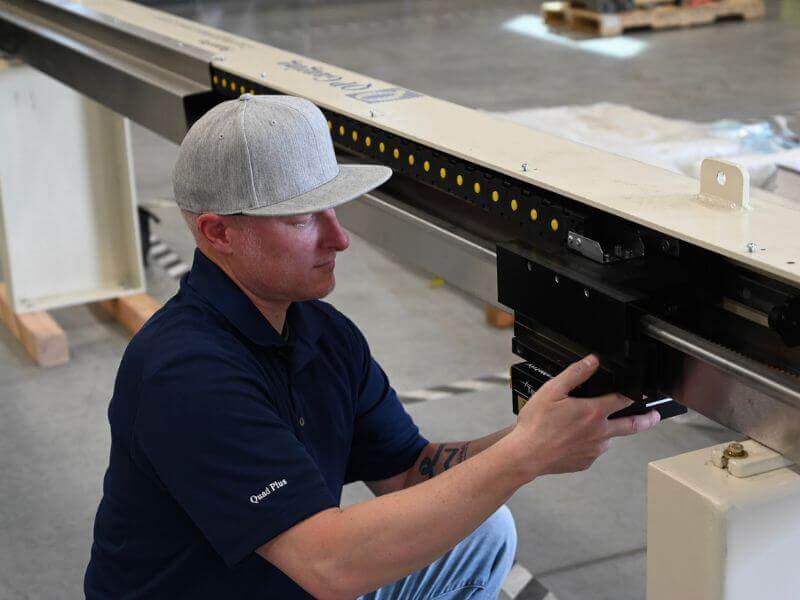
Automated gauging systems provide continuous thickness measurements supported by a dedicated thickness sensor within the thickness measurement system, allowing operators to identify deviations immediately and prevent defects before they occur. Automation also eliminates inconsistencies caused by manual inspections to ensure reliable and repeatable results across production lines.
Data-driven processes also collect and analyze data over time, uncovering trends and patterns that enable manufacturers to fine-tune processes for maximum efficiency and quality. Plus, automated alerts and adjustments reduce downtime and minimize production interruptions.
Reducing Operational Costs through Accurate Standard Gauging
Automated gauging systems directly contribute to cutting operational costs through manufacturing standardization. By achieving uniform procedures and specifications across production lines, consistency and high-quality standards can be maintained, and the improvement in efficiency helps the entire operation run like a well-oiled machine.
Accurate measurements also help reduce raw material usage and defective products, which translates to lower production costs without compromising quality. Plus, detecting issues in real time and automating quality checks reduces downtime caused by manual inspections and impacts the costs of reworking products that do not meet customer specifications.
Streamlined operations and extended equipment life from optimized processes deliver long-term savings for manufacturers.
The Role of Data in Gauging Systems
Standard gauging systems, whether equipped with infrared sensors, thickness measurement systems, or laser profile measurement systems, generate useful data beyond real-time measurements and adjustments. By capturing detailed information about material properties throughout production, these systems create a continuous record of performance that can drive long-term process improvements.
For example, trend analysis can help manufacturers identify recurring patterns or inefficiencies in their processes, such as equipment wear or environmental factors impacting material quality. These insights allow for targeted adjustments to refine efficiency and further reduce waste.
Historical data also plays a critical role in predictive maintenance. By monitoring deviations or gradual shifts in material properties, manufacturers can anticipate potential equipment failures and schedule maintenance before issues escalate. This will directly impact unplanned downtime, reduce repair costs, and keep production lines running smoothly.
In addition to operational benefits, data collected by gauging systems can support regulatory compliance. Many industries require detailed records to demonstrate adherence to strict quality standards. Gauging systems not only ensure measurements stay within specifications, but also provide the documentation necessary for audits and certifications.
Ensuring Consistency and Reliability with a Standard Gauging System
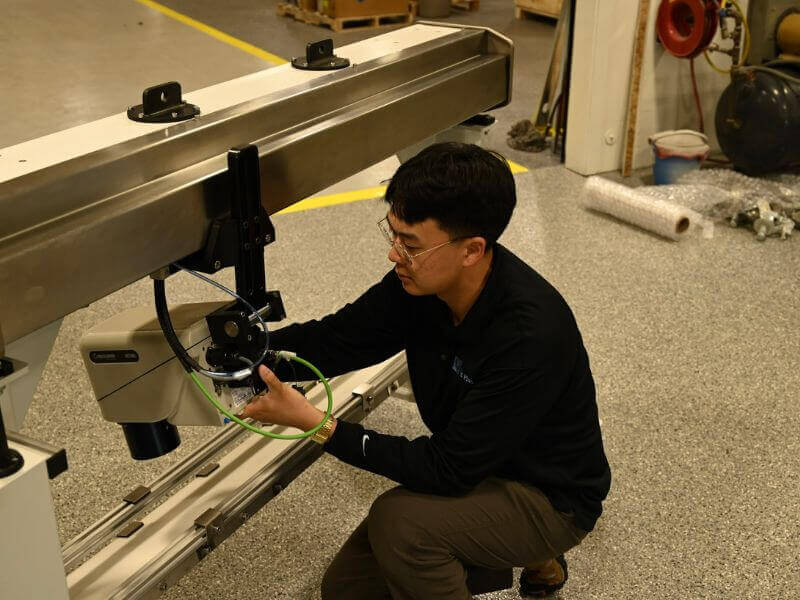
A standard gauging system will provide the foundation for consistent and cost-effective manufacturing processes. By maintaining uniformity across production batches, these systems build trust in your products, reduce variability, and ensure that each item meets your strict quality standards.
Investing in an automated gauge system is more than a quality control measure. It is a strategic decision for long-term operational success. From reducing defects to enhancing efficiency and cutting costs, these systems deliver measurable value at every production stage.
Ready to enhance your manufacturing precision and efficiency? The experts at Quad Plus will guide you through selecting and implementing the right system to meet your operational goals.
Frequently Asked Questions
A standard gauging system measures material properties like thickness, density, or basis weight in real time. It ensures consistent production quality, reduces defects, and enhances efficiency.
Standard gauging systems can measure materials such as paper, plastics, metals, coatings, and films. They are versatile across industries like packaging, automotive, and manufacturing.
Regular maintenance for an automatic gauge control system includes cleaning sensors, software updates, calibrations, and inspections to ensure optimal measurement performance and accuracy.
Standard gauging systems minimize waste by optimizing raw material usage, reducing downtime, and lowering labor costs with automated quality checks.
Yes. Modern gauging systems are designed to integrate seamlessly with manufacturing lines, providing real-time data and analytics to enhance process efficiency and product quality.