
Categories
Recent Posts
Best Practices for Commissioning to Ensure Manufacturing Readiness
January 9, 2025
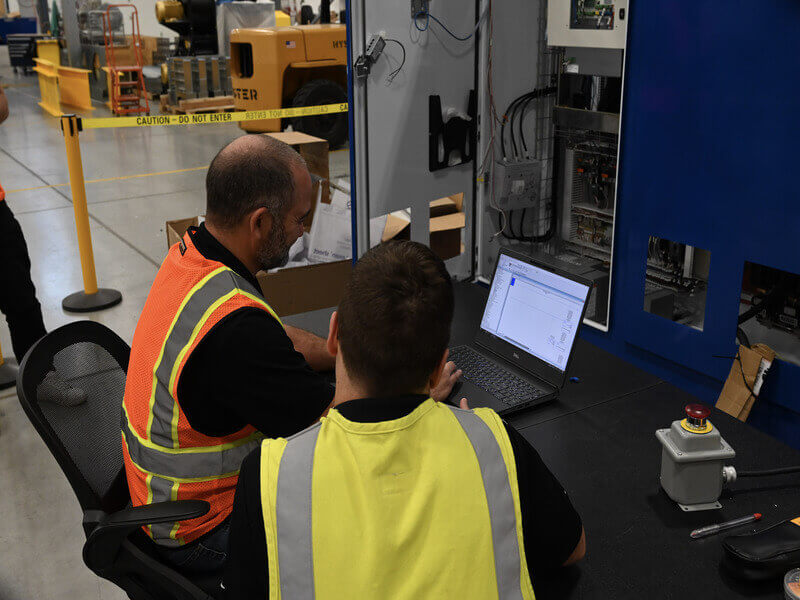
Large-scale and complex projects have many moving parts, with most having several smaller projects that must all come together to deliver a finished product. Once the construction phase of a project is complete, the final phase is commissioning.
Commissioning is a detailed process designed to confirm that the design, installation, and operation of systems, buildings, or machinery align with the customer’s operational requirements. The installation and functionality of all systems and components are verified to ensure efficient, well-integrated operation and to solve any problems that are uncovered to improve overall operation and reliability.
Comprehensive, thorough commissioning reduces operational costs, improves energy efficiency, reduces waste, ensures the safety of people and equipment, and prevents costly production delays due to errors, defects, and other complications.
Ensuring Quality Assurance Throughout Commissioning
In industrial and manufacturing settings, the commissioning process ensures that complex projects such as building construction or large machine installations are completed successfully and that project specifications are met. Once commissioning is complete, machinery and equipment are energized, and new buildings are placed into service, ready to achieve expectations and production requirements.
Commissioning is also essential to an operation’s energy efficiency and sustainability. The process can uncover inefficiencies and opportunities to improve energy consumption and reduce emissions. Improvements can include integrating renewable energy sources or enhancing the performance of a building’s envelope. Continuous monitoring and adjusting can sustain the progress of these goals over time.
Building codes, standards, and regulations are all important to protecting the safety of people and expensive equipment. The commissioning process ensures compliance with all applicable laws and standards, including those that cover fire protection, emergency power and lighting, and air quality. This provides safe operation and reduces legal and liability risks associated with building and worker safety.
Understanding the Commissioning Process and Its Key Phases
Although commissioning activities happen once construction and installation are complete, they begin during the project’s pre-design phase and continue throughout the process. For most projects, the commissioning activities are the final goal, so project schedules and milestones are typically defined by the completion schedule of commissioning activities.
It’s also vital for the commissioning team to follow a project’s progress and check parameters and requirements at all major milestones and other points throughout the process. That way, problems can be found while they are easier to correct and before hindering progress on future steps.
Key Stages of the Commissioning Process
Major industrial and commercial construction and installation projects follow a common commissioning process. Larger projects may require more details, documentation, and preparation for each stage, but smaller or single installations will still follow a more simplified version of the same process.
- Pre-Design
- Design
- Pre-Construction
- Construction
- Commissioning
- Occupancy and Operations
- Ongoing Commissioning
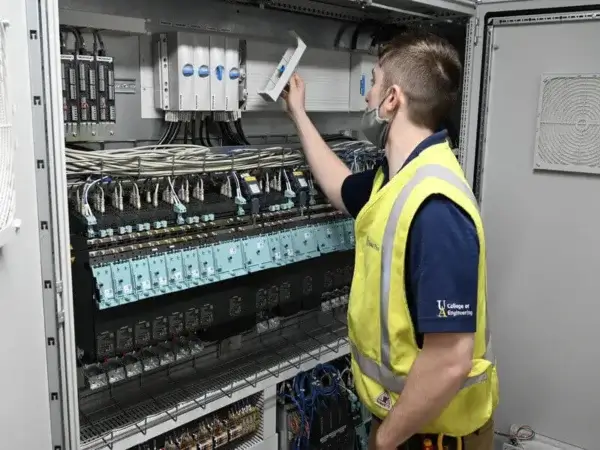
Pre-Commissioning: Planning and Preparation
The pre-design and design phases of a project occur before commissioning activities begin. During these phases, project managers assemble the commissioning team to follow the project’s progress and final activities before handing a finished product to the customer.
Key members of the commissioning team usually include leaders from the various construction disciplines involved, including electrical, mechanical, and automation. Subject matter experts and vendor representatives are also on the team, along with members of the client’s operation team who will take over once the commissioning process is complete.
The commissioning team is typically responsible for these activities during the Pre-Design Stage of a project:
- Project Requirements. The project’s primary goals and all owner requirements and expectations are defined.
- Commissioning Budget. The commissioning process of a project is critical and has associated costs that will impact the project’s overall profitability, including labor, material, and resources needed.
- Develop the Commissioning Plan. Define the commissioning process, acceptance requirements, and project schedules, and develop all reporting and documentation formats. This plan is likely to grow and change as the planning phase continues.
Once the project moves into the design phase, the commissioning team will monitor the project requirements to ensure they are met in the design. Design reviews will be conducted once drawings, specs, and data sheets are available to uncover issues early and before any materials or equipment purchase.
Once construction and installation begin, the commissioning team continues to monitor the project requirements to ensure that all quality standards are met and that construction and installation activities comply with the design documents.
Commissioning: Critical Testing and Validation Procedures
Once all construction and installation activities are complete, the commissioning team must complete all tasks necessary to set up and operate systems and equipment. Functional testing and inspections will be performed and documented, and integrated systems will be tested to ensure seamless operations.
Mechanical systems typically undergo a pre-commissioning process, including activities such as flushing pipes and pressure and leak testing. Rotating parts are checked, and motors and pumps are often run to verify initial operation and that there are no problems with cooling systems or vibration.
Electrical systems are energized and wiring verified. The electrical commissioning process includes detailed inspections of automation systems and control devices to ensure settings are correct and protective devices are functioning. Any problems or defects must be corrected before the commissioning process can continue.
Once all pre-commissioning checks are done, systems and equipment are energized and brought online. Mechanical systems are tested both with and without process materials. Electrical systems are verified, HMI screens are checked, and communications systems are tested.
Performance & Operational Verification
Finally, once all mechanical and electrical systems are verified, full system operation and verification, including any auxiliary systems, can be completed. Industrial and manufacturing processes are slowly started and monitored, and fault scenarios are tested. Any adjustments to machine operation are made until all production parameters are met.
Some systems and contracts include a trial period, during which an industrial or manufacturing plant must operate uninterrupted for a specified period of time before the commissioning process and verification are considered complete. If operations must be stopped to make corrections or adjustments, the trial period starts over.
During this phase, the customer’s operations team also receives training to make the hand-off process smooth. Operators need to understand how systems work and how to operate them properly.
Post-Commissioning: Hand-off & Ongoing Activities
Once all systems and installations have been tested and validated and the final product handed over to the customer, the main commissioning process is complete. The final stages of the process include ongoing training that may be necessary, along with any remaining tests that may not have been possible earlier in the process.
For example, some systems require seasonal testing to ensure proper operation under various conditions. Other systems, such as cooling and air conditioning, can only be tested once environmental temperatures reach a certain point.
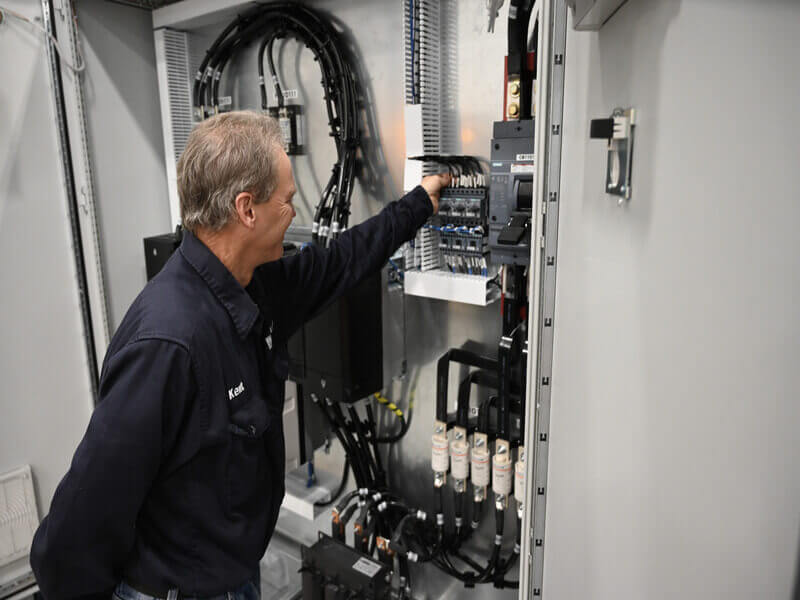
Mission Critical Facility Commissioning
The complex technology integral to mission-critical operations makes the commissioning of these systems more complicated. Stricter industry standards and regulations must often be adhered to for these operations, and failure tolerances are exceedingly low.
Data centers store and exchange digital information and are critical for operating various critical services, such as cloud applications and online ordering systems. The infrastructure required for data center operation must be exceptionally reliable.
Electrical components such as power distribution units, cooling systems, and equipment such as servers and networking devices must operate seamlessly. Commissioning activities will include validating the continuity of the power and cooling systems, testing redundancy systems, and verifying disaster recovery plans.
Semiconductor manufacturing facilities are highly regulated and use incredibly advanced technology to ensure high product yield, quality, and consistency. Strict control of the manufacturing environment for semiconductors is necessary, which requires systems to manage temperature, humidity, and contamination. The commissioning process includes thorough inspections of these systems, along with validation for HVAC systems, gas and material delivery systems, chemical handling processes, and cleanrooms.
Pharmaceutical production facilities are a matter of public health. They are mission-critical and must adhere to some of the most stringent regulations. Critical systems to be included in the commissioning process include HVAC, production equipment, and sterilization equipment. Regulatory standards require specific validation processes for installation, operation, and performance.
Factory Acceptance Testing (FAT)
This step of the process is performed on equipment before installation. These tests are typically performed by the manufacturer at their facility before delivery to a customer’s location, but they can also be performed by a third party.
The purpose of factory acceptance testing is to ensure that equipment and systems meet the specifications and standards of the manufacturing process. Any problems with machines, equipment, and individual components can be identified and corrected before installation or integration with other systems.
This process saves time and money, as uncovering problems after the equipment is delivered and installed can significantly disrupt a project’s timeline and budget. Machines and equipment will still be subject to inspections and testing upon receipt, after installation, and a final acceptance testing and verification performed during the commissioning process.
Addressing Common Challenges in Commissioning
Changing local and national building codes is a common challenge that complicates the commissioning process. These rules and regulations are continuously updated to improve safety and working conditions for people and make industrial and manufacturing processes more energy efficient. Verification and validation processes must include these stipulations and the customer’s expectations for a project. Customer expectations must be managed to ensure they align with current regulations.
Increasingly complex new technologies also present unique challenges in the commissioning process, especially when integrating new technology into legacy systems. Old and new technologies must work together correctly to achieve a successful outcome. Including experts with sufficient experience with new and legacy technology is critical to ensure efficient problem-solving when joining them together.
Commissioning Best Practices
The most important consideration during the commissioning process is planning. Engaging the commissioning team early in the process helps ensure proper planning and execution throughout. Factory acceptance testing (FAT) is another critical consideration to avoid costly problems that should be solved before the delivery or installation of equipment and components.
Missed milestones in complex projects can complicate the process and compromise or delay successful completion. Mechanical completion milestones should be defined, and expectations should be set at the start of the project, especially when construction or installation activities overlap with commissioning tasks.
Schedule management will play a significant role in project completion and when coordinating commissioning tasks. When the possibility of a critical milestone being missed arises, early communication and problem-solving must be engaged to get the project back on track or to adjust subsequent timelines to avoid bottlenecks or the cascading effects of one missed deadline derailing the next steps.
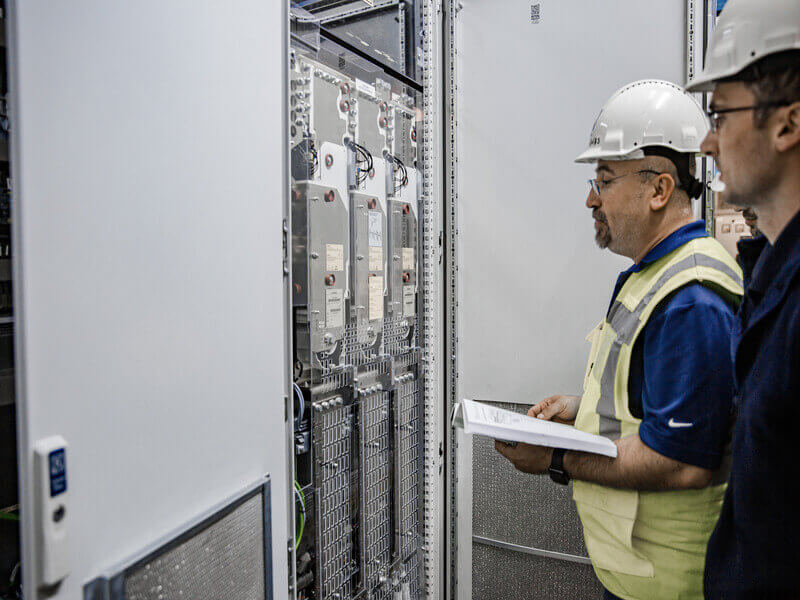
Why Choose Quad Plus for Commissioning?
The Quad Plus team aims to exceed your expectations and experiences with other system integration companies. Our engineers stay with your project from planning and design through commissioning. The engineer who designed your system will be on-site to ensure your requirements are met when it’s time to start up your equipment. Our commissioning process incorporates:
- System Testing & Power Up. Includes visual inspection, hardware evaluation, communication, and software configuration. We ensure your operational needs are met and uncover any problems so we can immediately correct them.
- I/O Checkout. This process ensures PLC and control systems are appropriately adjusted to meet your production standards. We verify electrical devices, verify communications, and compare drawings to what is physically present to ensure that all individual devices are connected and working correctly.
- Drive Optimization. Tuning algorithms are selected to achieve optimal drive efficiency. Electrical characteristics and associated load are also considered with the goal of optimal calibration for maximum efficiency.
- Machine Sequencing. Dry run (webless run, ghost rolling) performance tests are performed to sequence and simulate your system. Operations and programs are verified before any strip, web, or other material is run through the machine. Only after this calibration is a full wet run performed to identify any necessary fine adjustments.
- Production Trials and Hand-Off. Your plant operators and our startup engineers work together to run product lines and monitor processes to uncover and solve problems. Only after a successful trial is equipment considered ready for hand-off. Documentation that includes system settings and test results is often provided, and user training and demonstrations are provided.
Plus, we offer much more than commissioning. We have experience with all aspects of the system integration lifecycle, from multi-discipline engineering and power services to repair, service, and industrial safety. Our team has decades of experience with your equipment.
Frequently Asked Questions
Commissioning begins during the pre-design phase of a project to identify members of the commissioning team, develop plans, standards, and protocols, and to supervise construction and installation of equipment to catch problems early in the process.
Commissioning is the systematic process of ensuring that buildings, machines, and other equipment perform according to design and intent. Key steps include planning, monitoring construction and installation, testing, and documentation and review.
In short, all stakeholders involved in a project will benefit from the commissioning process. Building or facility owners know their safety, efficiency, and operational needs will be met. Design and construction teams gain an independent review of their work. Facility or operation managers gain a complete understanding of systems, machines, and components. Building occupants, workers, customers, and guests enjoy a safe and comfortable environment.
Generally, commissioning refers to testing and verifying complete projects such as building construction or machine installation. The commissioning process can also be employed for specific parts or phases of a project, including:
- Design Commissioning. By reviewing design drawings and project specifications, the design of a building, machine, or system can be verified to ensure it meets the customer’s operational needs.
- Construction Commissioning. During the construction process, the design documents and owner requirements are consulted to ensure that materials and equipment are constructed, installed, or integrated correctly.
- Startup Commissioning. Once a system, machine, or facility is complete, startup commissioning includes activating and testing systems and components to ensure proper function and adherence to design specifications. It also includes training for operators and maintenance personnel.
- Retro-Commissioning. Existing buildings and systems are evaluated for performance and energy efficiency. Problems, deficiencies, and areas for upgrade or improvement are identified, and solutions are designed to ensure optimal operation.
- Continuous Commissioning. This process focuses on improving the performance of a system, machine, or building over time. By monitoring, testing, optimizing, and identifying areas for improvement, facilities and machines can operate efficiently.
All builders and contractors are responsible for ensuring their work is performed correctly. Commissioning moves beyond simple operation or construction and compares the project’s outcome to the design process at the beginning. Expectations, parameters, and requirements must be met according to the initial plan.
The commissioning process also accounts for the proper operation of integrated systems and ensures the seamless operation of different systems that must work together. This often involves the work of various contractors or types of contractors across different phases of construction and installation.
Our integrated systems engineers will stay with your project from beginning to end to eliminate obstacles and reduce productivity loss during integration. When you work with Quad Plus, you can expect all our years of industry experience to be put to work for you.