Industrial Pulp and Paper Automation
Improve Line Stability and Sheet Quality Across Pulp and Paper Operations

Small changes in moisture, fiber distribution, and line speed can ripple through pulp and paper processes, making consistency difficult to maintain at production scale. Quad Plus delivers pulp and paper automation through coordinated drive control systems and process automation to stabilize machine sections, improve control accuracy, and support reliable continuous operation from forming through finishing.
With deep industry knowledge and advanced system diagnostics, our engineering team works to optimize every component of your operation, from drives and motors to HMIs, PLCs, and process instrumentation.
We support pulp and paper operations through:
- Line optimization focused on speed balance and stability.
- Process design and automation built for continuous paper production.
- Online measurement for real-time paper profile control.
- Operational assessments that identify performance gaps and risks.
Results: Stable Lines. Improved Profiles. Consistent Quality.
Why Quad Plus?
Even though you need to maximize operating time, you also should implement changes to increase efficiency on your existing paper machine or winder. How do you do this? By working with a trusted partner that will precisely evaluate your current processes and capture efficiencies through process performance and control automation improvements.
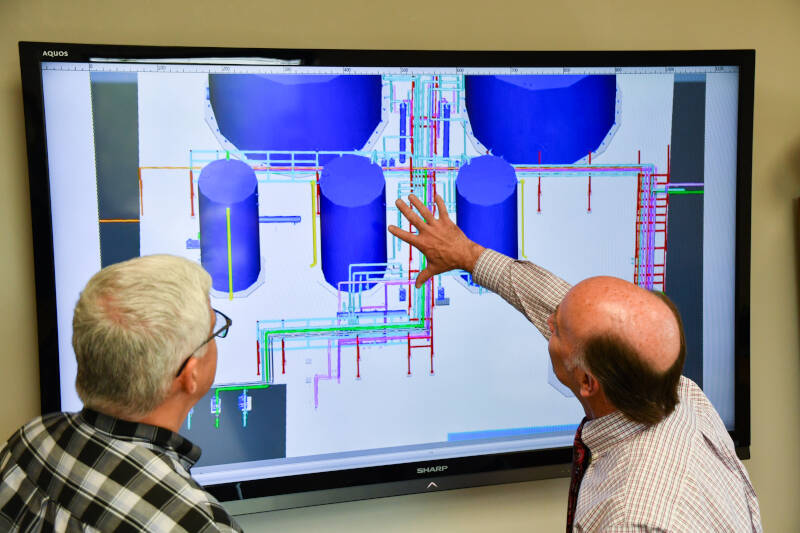
Quad Plus has the paper production process experience to assess your current operations and provide customized solutions to reach your specific paper mill productivity targets. During the design phase, we utilize advanced process control technologies to model and verify system behavior before implementation to mitigate shutdown time. The same engineers that design your solution then perform onsite installation and commissioning of the entire system. This consistency ensures that newer technology and controls work as intended with your existing equipment.
Pulp and Paper Application Challenges
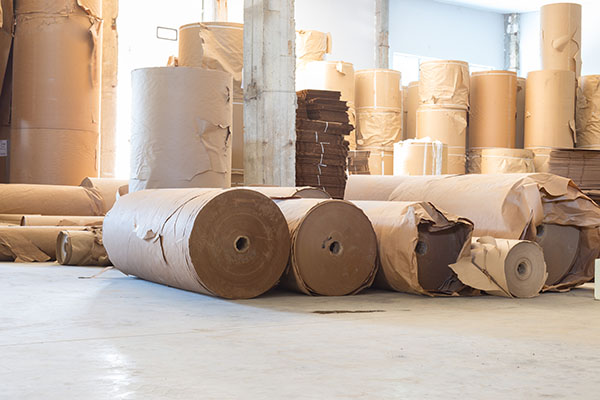 Solving web breaks, reeling wrinkles, slippage, and paper defects at their source can reduce the risk of emergency stops and off-spec product rolls. Evaluating web tension and speed differentials, both in the winder and throughout the paper machine, can help diagnose and prevent flaws. Integrating real-time measurements can ensure that moisture content, web profile basis weight, and thickness parameters are within the target range.
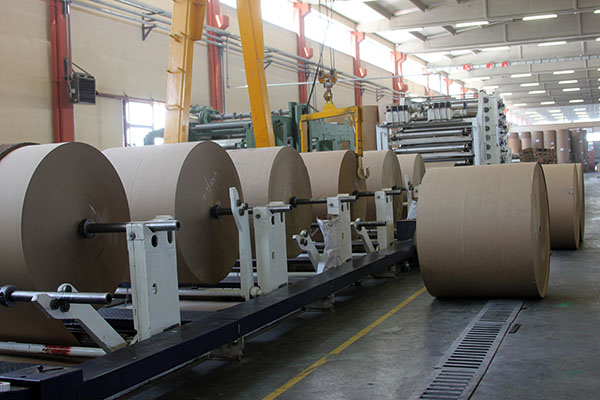 Bottlenecks can significantly limit your overall production capacity in both the paper machine and winder. Slowdowns and limitations can take the form of manual slitter adjustments, outdated control technology, equipment capacity limitations, vibration issues, and inefficient drive systems. Such issues need to be identified through machine data analysis and then addressed through automation, design, optimization or control processing, and replacement of legacy equipment where necessary.
 Mitigating hazards and meeting environmental standards are critical steps to improve the safety of your personnel. Additionally, such changes can reduce liability issues and improve production capacity. For example, implementing changes that meet TAPPI and IEEE standards, automating slitter positioning, automating web threading functions, and adding safety features like guarding, fencing, and safety controls can dramatically reduce risk to personnel.
Pulp and Paper Line Optimization
You’ve already optimized a section of your line hoping to increase capacity, but then begin experiencing a bottleneck or slow down of subsequent segments. To resolve these unintended consequences, the entirety of the web handling process should be evaluated to determine where improvements must be made.
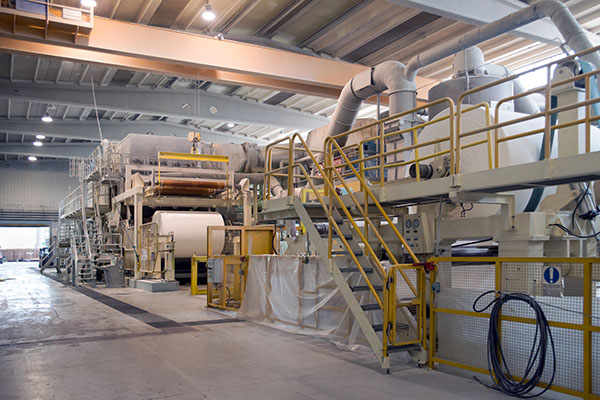
The evaluation starts with an understanding of all current control systems and process capabilities, new technology potential, and the different characteristics of the product as it feeds through the machine. Then, using advanced process control modeling, solutions can be designed to mitigate control speed differentials that accrue at different sections. The result is to maximize the efficiency of paper manufacturing without causing unforeseen issues further down the line.
Motor and coordinated drive systems should be selected and designed for each section based on normal running load (NRL) and recommended drive capacity (RDC) calculations. Sectional motors load-sharing capabilities also contribute to determining the power required to account for speed differentials in other sections.
Control systems must monitor, process, and respond to operating condition variations in each section. Removing slowdowns and bottlenecks to the winder is critical to optimize performance. High speeds, adjusting motion control, precision tension, and efficient control communication are necessary capabilities. These allow for rapid, dynamic changes to speed and torque while ensuring the product is unwound from parent rolls, slit, trimmed, and rewound without damage.
Pulp and Paper Process Design and Automation
Implementing new process control methodologies can address inefficient actions throughout the entire papermaking process. The results can include extending the life of your existing equipment while reducing changeover times, increasing speed, capacity, and productivity, and stabilizing product quality control.
Automating paper grade and parent reel changes, slitter adjustments, and blade changes can have a significant impact. Plus, rebuilding inefficient sections of the line can supply measurable returns on your investment. Automating risky manual processes also increases overall safety. Your personnel can manage recipes, paper grade changes, and slitter adjustments from outside the paper machine and winder.
Online Paper Profile Measurements
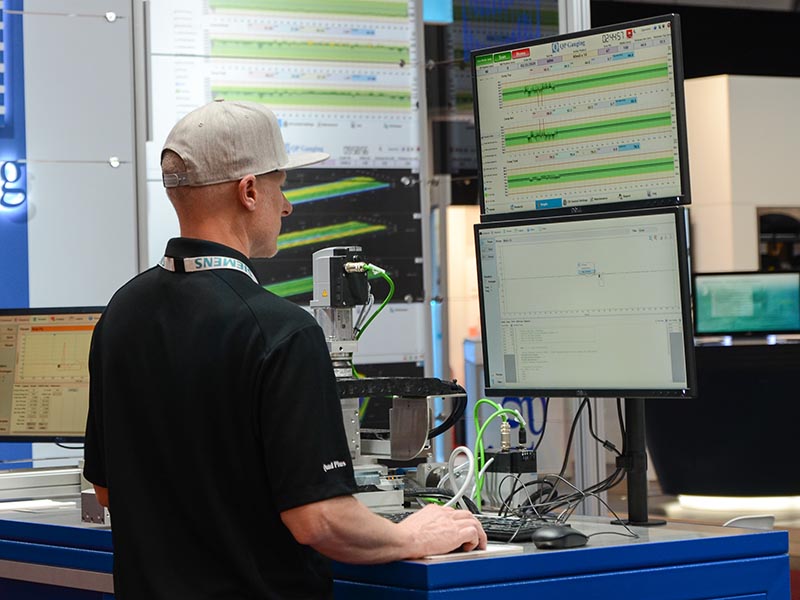
Web gauging system integration allows for real-time, continuous measurement of paper thickness, basis weight, moisture, machine direction (MD) and cross-machine direction (CD) tension profiles at critical points. Monitoring and correcting profile and quality disturbances improve wet end stability, reduce product variances, chemical usage, and paper web breaks resulting in increased productivity and capacity.
As the quality measurements are scanned, data is stored in a database for further reporting and analysis after production. The reporting tools allow identification and comparison of product qualities to determine the root cause of issues.
Operations and Performance Assessments for Pulp and Paper

Pulp and Paper Case Studies
We have successfully completed projects for customers who produce containerboard, uncoated recycled paperboard (URB), fine paper, tissue, and towel. To learn more about the specific problems our customers were facing and the solutions we provided, please refer to the case studies linked below.
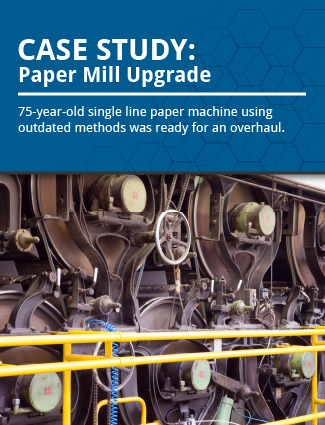
Read North American Paper Mill Upgrade Case Study
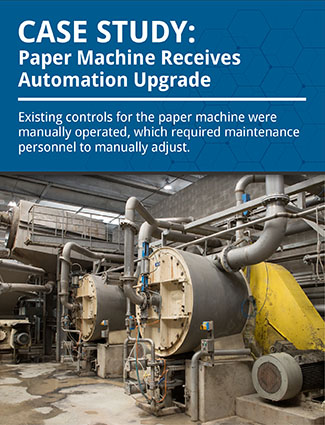
Read the Pulp and Paper Automation Case Study
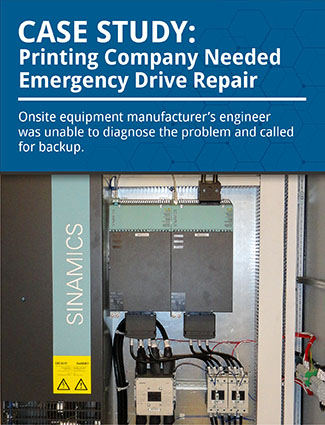
Read Emergency Drive Repair Case Study
Services Available
Quad Plus offers a wide variety of services to assist you no matter where you are in the system integration lifecycle. For new builds, we offer design and project management services, for existing plants, we can make your operation run smoother and more efficient. For plants with obsolete control systems, we can assist with retrofits and upgrades.

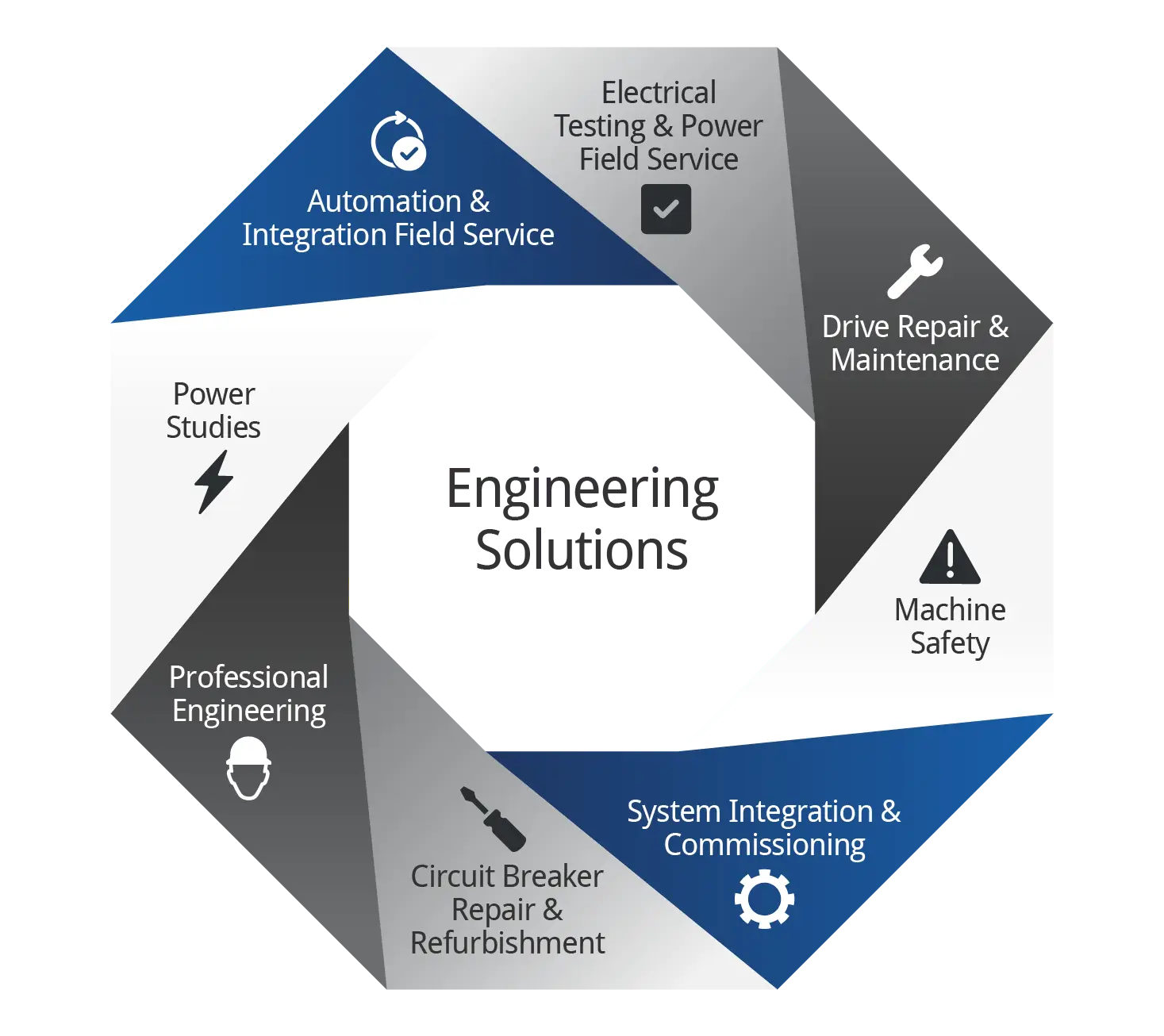
Pulp and Paper Industry Solutions
Your internal engineers already have long task lists. Adding projects for upgrades on top of their regular workload can be a considerable demand. Instead, allow the engineering team at Quad Plus to analyze, understand your current processes, and provide practical recommendations for system optimization and implementation. Then we can implement solutions to help you realize your goals for lower operating costs, reduced waste, shortened lead times and improved safety and working conditions for your entire operation.
Contact Us